

The European Commission's publication of the first ESPR Working Plan on April 16, 2025, marked a crucial milestone in Digital Product Passport (DPP) implementation-transforming regulatory framework into actionable requirements that will reshape how FMCG companies manage product and packaging data. While some packaging leaders may view Digital Product Passports as another compliance burden, forward-thinking organizations recognize this as a strategic opportunity to revolutionize packaging operations, reduce costs, and gain competitive advantages through superior data management.
This comprehensive roadmap transforms regulatory necessity into business value, providing packaging heads with a clear implementation strategy that ensures compliance while optimizing operations for sustainable growth.
What Digital Product Passports Mean for FMCG Packaging Leaders
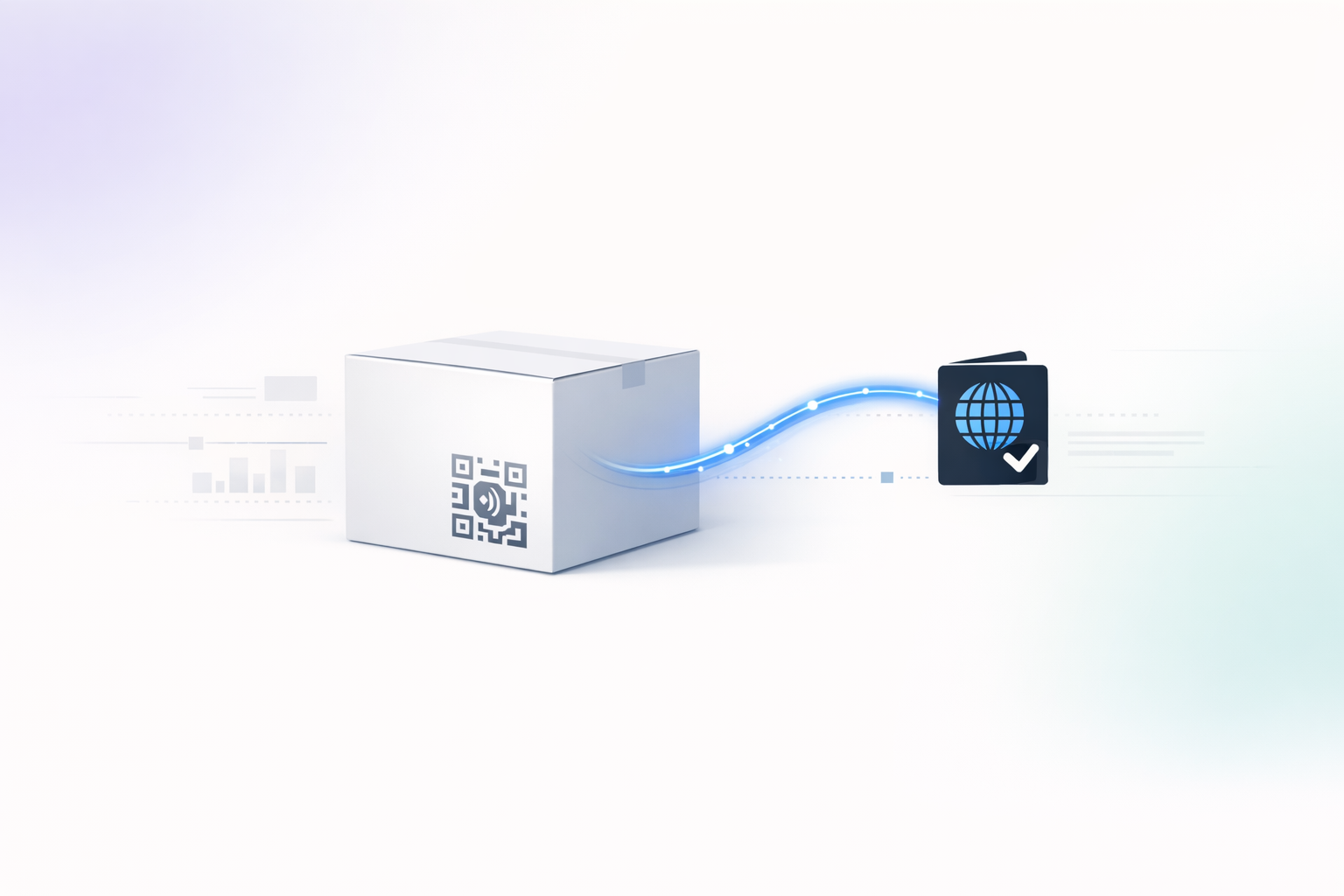
Digital Product Passports are standardized digital records containing comprehensive sustainability and lifecycle data for products and their packaging, accessible via QR codes, RFID tags, or NFC chips throughout the supply chain.
Under the European Sustainable Products Regulation (ESPR), which entered into force July 18, 2024, DPPs represent a fundamental shift from voluntary sustainability reporting to mandatory digital transparency. The first working plan prioritizes 11 product categories, including textiles, furniture, electronics, and intermediate materials such as steel and aluminum. Packaging is not explicitly listed, but may be included in future iterations.
The regulatory framework connects directly to the Packaging and Packaging Waste Regulation (PPWR), where packaged products requiring DPPs under ESPR must integrate packaging data into the same digital passport. This convergence eliminates data silos and creates unified sustainability documentation across your entire product portfolio.
Will Packaging Be Part of the Digital Product Passport?
Yes - indirectly and in context:
- If a product falls under ESPR and requires a DPP, packaging data must be included in that passport, especially when packaging contributes significantly to the product's environmental impact.
- Even if packaging is not directly regulated under ESPR, most packaging will be affected, as DPP-related data must be physically present on the product or its packaging.
The technology infrastructure builds on existing systems rather than replacing them. QR codes integrate seamlessly into current packaging processes, while DPP platforms connect with ERP systems to automate data collection and validation across multi-tier supplier networks.
Critical Timeline: Key DPP Milestones Every Packaging Head Must Know
April 16, 2025: First Working Plan Released - The European Commission published the initial DPP working plan, establishing technical specifications and implementation requirements for the first regulated product categories.
2026: ESPR Implementation Begins - Iron and steel products become the first categories requiring DPPs, establishing precedents for data requirements and technical standards that will apply to packaging materials and FMCG products.
2027: Expanded Category Implementation - Aluminum, textiles, and tires join the DPP requirement, while Battery Passports become mandatory from February 18, 2027, for all electric vehicle and industrial batteries over 2 kWh, demonstrating the regulatory momentum across product categories.
2028-2030: Full FMCG Integration - Packaging and consumer goods categories face mandatory DPP implementation, with specific timelines varying by product type, company size, and market impact. Early preparation provides significant advantages in supplier readiness and system optimization.
Industry-specific rollout prioritizes categories with the highest environmental impact and market volume. FMCG companies with complex packaging portfolios should anticipate requirements beginning in 2027-2028, with full compliance expected by 2030 for most product categories.
The compressed timeline demands immediate action. Companies that start preparing now will complete implementation within optimal windows, while those that delay will face compressed schedules, limited supplier availability, and higher implementation complexity.
The FMCG DPP Implementation Challenge: Data, Systems, and Supply Chains
The greatest implementation barrier for FMCG companies lies not in technology adoption, but in comprehensive data collection across fragmented supply chains with thousands of packaging specifications.
Current packaging management still relies heavily on manual processes, Excel spreadsheets, and decentralized data storage across multiple departments and suppliers. This approach creates significant gaps in the detailed sustainability data required for DPP compliance, leaving many FMCG companies with substantial data collection challenges across their packaging specifications.
Overcoming Data Collection Barriers in FMCG Supply Chains
Multi-tier supplier networks complicate data aggregation when packaging materials pass through converters, distributors, and subcontractors before reaching final assembly.
The solution requires standardized data collection templates, automated supplier communication systems, and centralized validation processes. Leading companies implement supplier portals that streamline specification updates while maintaining audit trails for regulatory compliance.
Successful data collection strategies include:
- Phased supplier onboarding starting with high-volume, strategic partners who control the majority of packaging specifications
- Automated certificate tracking that monitors expiration dates and triggers renewal requests before compliance gaps occur
- Integrated validation workflows that verify data accuracy by cross-referencing multiple sources and expert review
- Standardized reporting formats that eliminate manual data transformation and reduce error rates across supplier communications
Technology Integration Without Disrupting Operations
DPP implementation must enhance existing packaging processes rather than requiring complete operational overhauls that disrupt production schedules and supplier relationships.
Modern DPP platforms integrate with existing ERP systems through APIs and standard data formats, allowing gradual implementation without migration risks. QR codes and digital identifiers are embedded directly into current packaging artwork and production workflows with minimal design changes.
Key integration approaches include:
- Parallel system operation during transition periods to ensure business continuity while testing new data flows
- Automated data synchronization between existing systems and DPP platforms to maintain single-source data accuracy
- Flexible output formats that support both current operational requirements and future DPP compliance needs
- Scalable implementation that begins with pilot product lines before expanding to full portfolio coverage
Your 5-Phase DPP Implementation Roadmap
Phase 1: Assessment and Gap Analysis (Months 1-3)
Establish your current packaging data baseline and identify specific requirements for your product portfolio and market segments.
Begin with a comprehensive audit of existing packaging specifications, focusing on data completeness for sustainability metrics, material composition, and supplier documentation. This assessment reveals the scope of digitization required and prioritizes implementation efforts based on regulatory timelines and business impact.
Current State Packaging Data Audit:
- Inventory all active packaging specifications across product lines, identifying data formats and storage locations
- Assess completeness of sustainability data including material composition, recyclability ratings, and carbon footprint calculations
- Evaluate existing supplier data quality and identify gaps in required documentation
- Map current approval workflows and identify bottlenecks in specification updates
Software solutions like Packa and others can significantly reduce the workload for these tasks.
Regulatory Requirement Mapping:
- Analyze your product portfolio against the expected DPP implementation timeline based on category and market presence
- Identify specific data requirements for each product category and packaging type
- Assess current compliance status for related regulations (PPWR, EUDR) that interact with DPP requirements
- Establish compliance priorities based on regulatory risk and market access implications
Again, software solutions like Packa and others can significantly reduce the workload for these tasks.
Technology Readiness Assessment:
- Evaluate existing ERP and data management systems for DPP integration capabilities
- Assess current digital infrastructure capacity for handling increased data volumes and automated workflows
- Identify technology gaps and integration requirements for your selected DPP platform
- Plan resource allocation and a timeline for technology implementation phases
Phase 2: Foundation Building (Months 4-9)
Establish the data infrastructure and supplier collaboration frameworks that support long-term DPP compliance and operational efficiency.
This phase focuses on selecting and implementing core technology platforms while establishing standardized processes for data collection and supplier communication. Success requires balancing comprehensive functionality with realistic implementation timelines.
Data Management System Selection:
- Evaluate DPP platforms based on FMCG-specific requirements including product portfolio size, supplier network complexity, and integration capabilities
- Prioritize solutions offering automated data validation, expert review processes, and comprehensive regulatory update management
- Ensure the selected platforms support both current compliance needs and future expansion as regulations evolve
- Plan an implementation approach that minimizes disruption to current operations while enabling rapid scaling
Supplier Onboarding and Training:
- Develop standardized communication templates and data collection processes that reduce supplier burden while ensuring comprehensive data capture
- Create supplier education materials explaining DPP requirements and the business benefits of a collaborative approach
- Establish performance metrics and incentives that encourage proactive supplier participation in data management
- Implement pilot programs with strategic suppliers to validate processes before a broader rollout
Phase 3: Pilot Implementation (Months 10-15)
Test systems and processes with a limited product scope to validate your approach and refine workflows before full deployment.
Pilot implementation focuses on representative product lines that reveal key challenges and opportunities across your packaging portfolio. This controlled approach enables optimization while maintaining operational stability.
Pilot Product Selection:
- Choose products representing different packaging types, supplier relationships, and complexity levels to validate system performance across diverse scenarios
- Prioritize products with upcoming regulatory requirements or strategic business importance
- Include both high-volume standardized packaging and complex custom specifications to test system flexibility
- Select products with engaged suppliers willing to provide feedback and collaborate on process refinement
System Testing and Refinement:
- Validate data accuracy and completeness through comprehensive review processes
- Test automated workflows including supplier communication, certificate tracking, and compliance reporting
- Optimize user interfaces and processes based on actual usage patterns and feedback
- Refine integration capabilities with existing systems to ensure seamless data flow
Phase 4: Scaled Rollout (Months 16-24)
Systematically expand DPP implementation across your complete product portfolio, with continuous optimization based on pilot learnings.
Full-scale implementation requires careful coordination to maintain quality standards while achieving comprehensive coverage within regulatory timelines.
Portfolio-Wide Implementation:
- Deploy proven processes across all product lines using a phased approach based on regulatory priorities and business importance
- Scale supplier onboarding programs to include your entire packaging supply network
- Implement automated monitoring and quality assurance processes to maintain data accuracy at scale
- Establish performance dashboards and reporting systems for management oversight
Automated Data Collection:
- Deploy automated workflows that reduce manual intervention while maintaining data quality standards
- Implement exception-handling processes for complex specifications requiring expert review
- Establish automated compliance monitoring that identifies potential issues ahead of regulatory deadlines
- Create self-service capabilities for routine supplier updates while maintaining approval controls
Phase 5: Optimization and Future-Proofing (Ongoing)
Continuously improve processes and leverage DPP data for strategic business advantages that go beyond compliance requirements.
This ongoing phase transforms DPP compliance from a cost center into a value generator through advanced analytics and strategic applications.
Advanced Analytics Implementation:
- Develop cost optimization analyses based on comprehensive packaging data to identify standardization opportunities
- Create sustainability reporting capabilities that support corporate ESG goals and marketing initiatives
- Implement predictive analytics for supplier risk management and compliance monitoring
- Generate insights for packaging design optimization and material selection
Competitive Advantage Development:
- Leverage comprehensive data for accelerated new product development and packaging design
- Use automated compliance capabilities to enter new markets faster than competitors
- Develop supplier collaboration capabilities that create competitive advantages in cost and innovation
- Position advanced DPP capabilities as a differentiator in customer and retailer relationships
Building Your Business Case: ROI and Strategic Benefits
DPP implementation delivers measurable returns through operational efficiency, risk mitigation, and strategic capabilities that extend far beyond regulatory compliance.